

The Little Hydrogen-Powered Electric Donkey We Are Riding Has A Few Pieces Of “Titanium" Hidden In It”
The Little Hydrogen-Powered Electric Donkey We Are Riding Has A Few Pieces Of "Titanium" Hidden In It
Hydrogenation for 3 minutes, run 70
kilometers, no explosion and no hot hands.
The secret is hidden in that small
silver-white jar.
Hydrogen lives in the "titanium sponge”
How troublesome is traditional hydrogen
storage? Either it is pressed to 700 times atmospheric pressure, or it is as
cold as minus 253℃, which is heavy and dangerous.
Now there is a new way: use titanium-iron
alloy to make a "sponge”, absorb hydrogen at room
temperature and pressure, and release hydrogen after a little heating. The
pressure is low and there is no risk of explosion.
A 2-kilogram hydrogen storage tank can
allow two-wheeled vehicles to run 60 or 70 kilometers. Changing the tank takes
less than 3 minutes, which is faster than changing the battery of a mobile
phone.
At present, thousands of hydrogen-powered
two-wheeled vehicles have been demonstrated on the road across the country.
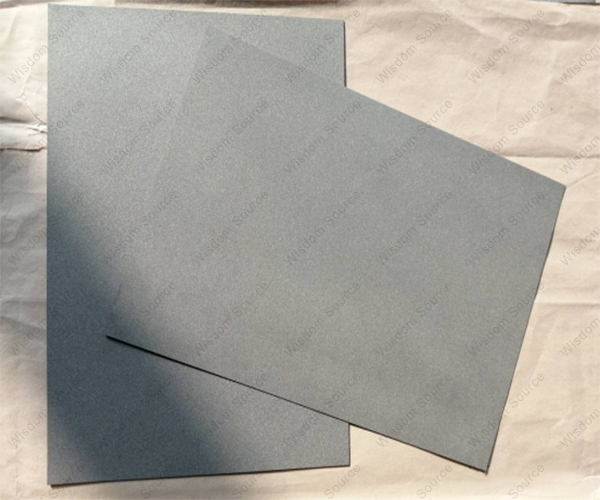
The "titanium mesh” in the hydrogen production equipment is thinner than a business
card
1.
Where does hydrogen come from? The hydrogen produced by electrolysis of
water with solar energy and wind energy is called green hydrogen. The core
equipment is a PEM electrolytic cell, and almost all the key components inside
are made of titanium.
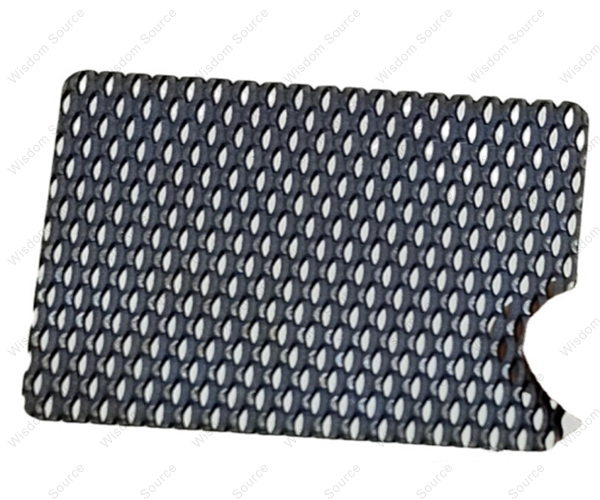
There is a layer of “gas diffusion layer” with a thickness of
only 0.15mm, which is thinner than a business card. It is woven from titanium
fibers that are thinner than hair, which can not only pass through water and
air, but also conduct electricity and heat.
This layer of ”titanium
mesh" makes the electrolytic cell consume less energy and have a longer
life span. Now the whole chain from titanium fiber to finished products has
been domestically produced, and the cost has dropped by nearly half compared to
five years ago.
2. Where does titanium come from? Most of
these titanium in the mountains of Panxi comes from the Panxi region of
Sichuan. There is the largest vanadium-titanium magnetite in the country. In
addition to iron, the ore is also rich in titanium and vanadium.
In the past, titanium was piled up as waste
residue, but now it is extracted, made into sponge titanium, and then processed
into titanium plates, titanium fibers, and eventually into hydrogen storage
tanks and electrolytic cells. The value of a piece of ore has risen from a few
hundred yuan to tens of thousands or even hundreds of thousands of yuan.
Vanadium is not idle: make a big power bank for the city
Vanadium associated with titanium is now
used to make all-vanadium flow batteries. This kind of battery is safe and does
not burn, and can last for 20 years. During the day, the photovoltaic power is
stored in it if it is not used up, and then released at night. A 100-megawatt
power station can meet the night electricity consumption of tens of thousands
of households.
Even better, titanium and vanadium can “cooperate”: in a park, during the day, green
electricity first produces hydrogen and stores it in a titanium hydrogen
storage tank, and at the same time, the excess electricity is charged into the
vanadium battery. At night, the vanadium battery discharges and the hydrogen
fuel cell generates electricity. Together, the two ensure that the park does
not run out of power. The utilization rate of green electricity has increased
from 70% to nearly 90%.
“15th Five-Year Plan": Titanium from
"Heaven” to ”Earth"
In the past, titanium was called “space metal” because it was expensive and
mainly used in aircraft, rockets, and submarines. Nowadays, titanium alloy is
entering the daily scenes of hydrogen bicycles, household hydrogen storage
tanks, and community energy storage stations.
Some calculations show that if 1 million
hydrogen energy two-wheeled vehicles are promoted throughout the country during
the ”Tenth Five-Year Plan" period, more than 2,000
tons of titanium alloy will be required for hydrogen storage tanks alone.
From a piece of ore in a mine to a jar in a small electric donkey-the “civilian” travel of titanium is making our energy cleaner and safer.