

Titanium Alloy Helps Efficient Production Of Non-Ferrous Metallurgy
Titanium Alloy Helps Efficient Production Of Non-Ferrous Metallurgy
In the
industrial field of non-ferrous metallurgy, which is full of challenges and
opportunities, the choice of materials is directly related to production
efficiency, product quality and corporate efficiency. With its excellent
properties, titanium and titanium alloys are gradually becoming indispensable
key materials in this field, bringing significant changes and improvements to
the non-ferrous metallurgical industry.
Corrosion
Resistance: A Weapon For Dealing With Aggressive Media
In the
production process of non-ferrous metallurgy and rare metals, various
aggressive media are often exposed, which puts forward extremely high
requirements for the corrosion resistance of equipment. Traditional stainless
steel materials often seem powerless in the face of these harsh environments,
while titanium and titanium alloy products show strong advantages. Its super
corrosion resistance makes it stand out among many aggressive media and an
ideal alternative to stainless steel.
Taking
pump equipment as an example, when conveying hydrochloric acid solutions of
potassium and magnesium (containing weak hydrochloric acid), titanium alloy
pumps are used in industry instead of cast iron pumps and pumps made of
acid-resistant steel, which have achieved amazing results. The service life of
the titanium alloy pump has been greatly increased, reaching 15-20 times the
original, and at the same time, the liquid loss is reduced by 2/5 in the
process of conveying the liquid. This data intuitively reflects the excellent
performance of titanium alloy in terms of corrosion resistance, greatly
reducing the frequency of equipment replacement and maintenance costs, and
improving the continuity and stability of production.
Multi-Form
Application: Meet Diverse Production Needs
The
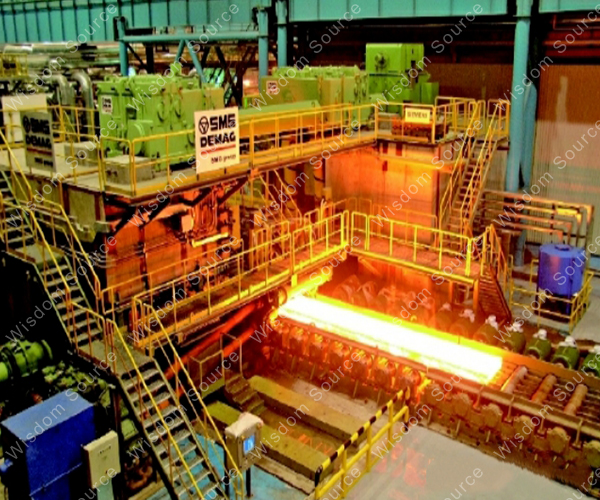
application forms of titanium in the production of non-ferrous metallurgy are
rich and diverse, and can be flexibly selected according to different
production needs. Rolled parts are one of the common application forms of
titanium in industry. The products manufactured by rolled parts can meet the
needs of manufacturing large-scale and important equipment. Through the rolling
process, titanium can be processed into plates, pipes, etc. of various shapes
and sizes, providing non-ferrous metallurgical enterprises with a variety of
material options.
The form
of castings is also an important way of titanium application, such as
equipment, pumps, etc. can be made of titanium castings. In addition, titanium
parts in the form of cermet parts are also used in the field of non-ferrous
metallurgy because of their efficient manufacturing characteristics. For
example, in the production and smelting of magnesium, a series of equipment
such as scrubber reflux sprayers made of titanium alloy, titanium pumps,
titanium piping systems, ventilators, titanium T-shaped (titanium tee) joints,
titanium throttle valves, titanium reducing pipes, titanium circulating water
tanks, etc. are widely used. These equipment has been in an environment with
various aggressive media for a long time. The corrosion-resistant properties of
titanium alloy effectively extend the service life of the equipment and ensure
the smooth progress of production.
Improve
Efficiency: Help Non-Ferrous Metallurgical Enterprises In All Directions
The
application of titanium equipment has brought significant economic and
comprehensive benefits to non-ferrous metallurgical enterprises. First of all,
titanium equipment increases the service life and reliability of the equipment,
reduces the number of equipment replacements and repairs, and thereby reduces
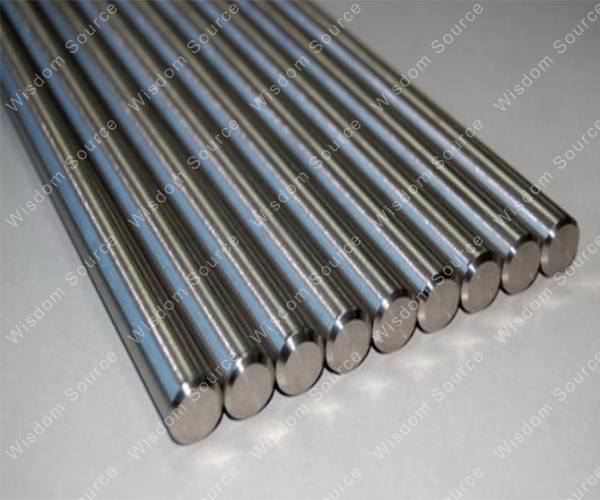
the cost of use and repair. Taking the titanium-rolled parts of the titanium
workpiece type as an example, non-ferrous metallurgical enterprises can create
rich economic benefits every year as a result.
Secondly,
the application of titanium equipment has increased labor productivity. Due to
its reliable performance, the production interruption caused by equipment
failure is reduced, and the production process is more continuous and stable. At
the same time, the use of titanium has greatly improved product quality,
improved working conditions, and provided strong support for the realization of
mechanized and automated production.
In
nickel-cobalt and titanium-magnesium industrial enterprises, titanium equipment
manufactured by titanium alloys has been widely used; titanium is also widely
used in the production of copper; zinc, lead, tin, tungsten, molybdenum,
mercury, antimony, cadmium, gold and other metals, as well as aluminum and
cemented carbide production, as well as non-ferrous metal processing
enterprises, titanium has gradually emerged. For example, in autoclave
equipment, various parts in contact with corrosive media are made of titanium. In
the new process of continuous automated solid-liquid extraction (leaching) of
metal-containing materials, this titanium-made equipment replaces the original
electrolytic cell for preparing metal solutions, which can ensure efficient
operation, and the cost of metal in the solution of titanium-made autoclave
equipment is 25% lower than the cost of dissolving the metal in the
electrolytic cell, further highlighting the huge potential of titanium
equipment in reducing costs and improving efficiency.
The application prospects of titanium and titanium alloys in the field of non-ferrous metallurgy are very broad. With the continuous progress of technology and the increasing requirements for material properties, titanium and titanium alloys will surely rely on their unique advantages to play a more important role in the non-ferrous metallurgy industry and promote the development of the entire industry in the direction of higher quality and more efficient.