

Application Of Titanium Alloy Material In High-End Motorcycle Parts
Application Of Titanium Alloy Material In High-End Motorcycle Parts
In the field of high-end motorcycle
manufacturing and precision modification, lightweight, high-temperature and
corrosion-resistant high-performance materials are the key to improving vehicle
performance, extending equipment life, and optimizing the riding experience. Among
them, titanium alloy has become the preferred material for upgrading high-end
motorcycle parts due to its excellent comprehensive physical and chemical
properties. Subject to the complex molding process and high processing costs,
the popularity of large-scale titanium alloy structural parts in the motorcycle
industry has been slow, especially large core pressure-bearing parts such as
fuel tanks, which are difficult to achieve mass production and application for
a long time.
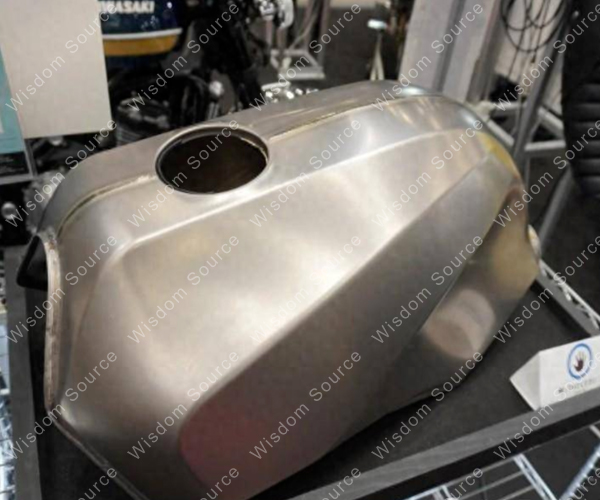
In the field of upgrading and retrofitting
parts of classic models, the titanium alloy fuel tank developed for the Ninja
GPZ900R model has successfully achieved stable mass production, marking a
substantial breakthrough in the application of titanium alloy materials in the
core large parts of motorcycles, and providing a mature reference direction for
the upgrading of materials in the industry. This titanium alloy fuel tank
maintains a standard volume of 22L. Under the premise of fully meeting the
installation structure and operating conditions of the original vehicle, the
overall weight of the fuel tank is reduced by 40% compared to the traditional
original fuel tank, and the lightweight effect is very outstanding. It is a
high-quality supporting component for high-end customization of retro
locomotives and high-performance locomotives.
Titanium alloy can continue to become the
core material for high-end motorcycle modification, due to its unique material
performance advantages. Titanium alloy is lightweight and high-strength, which
can greatly reduce the weight of the vehicle while ensuring the same structural
strength, and effectively improve vehicle flexibility, handling stability and
fuel economy. At the same time, the material has excellent high temperature
resistance, can withstand high temperatures of about 1600℃, can adapt to complex high temperature conditions around the
engine, and improve the heat dissipation and operating stability of the
vehicle.
In terms of weather resistance and
corrosion resistance, titanium alloy has more obvious advantages. Facing
complex environments such as outdoor humidity, rainwater erosion, salt spray
erosion, and acid-base medium contact, titanium alloys are not easy to oxidize,
rust, and have extremely low performance attenuation. The service life of parts
is far better than that of steel and aluminum, which can greatly reduce the
frequency and maintenance costs of the vehicle in the later stages, and the
long-term use stability is extremely strong.
Although the material properties are
comprehensively leading, the processing difficulties of titanium alloys have
always restricted the large-scale application of the industry. Titanium alloy
has complex plastic deformation, large molding rebound, high cutting and
processing difficulty, and strict welding process requirements. Large-piece
molding has extremely high standards for equipment accuracy, process
parameters, and production processes. Manufacturing costs are high and mass
production is difficult. Therefore, the industry has long focused on the
application of small parts such as screws, exhaust pipes, brackets, etc., and
rarely dabbles in the core pressure-bearing large parts of fuel tanks.
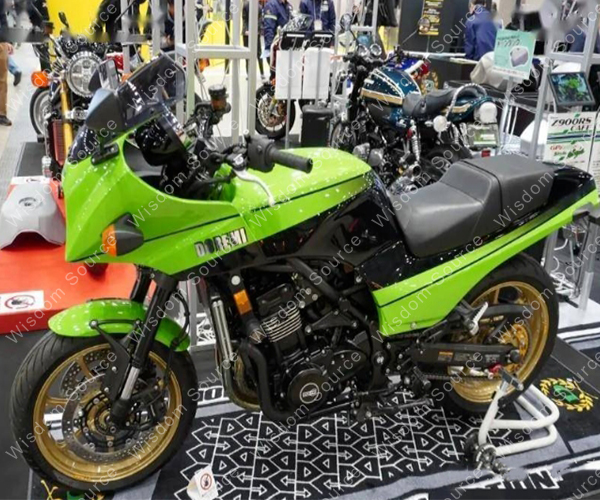
Through continuous process iteration and
production process optimization, manufacturing companies have gradually
overcome key technologies such as titanium alloy sheet metal forming, overall
curvature control, closed welding, and stress relief, so that titanium alloy
fuel tanks can achieve stable mass production and completely break through the
bottleneck of titanium alloy application in the field of motorcycle large-piece
manufacturing. The maturity of technology has also allowed titanium alloy
materials to gradually move from the application of decorative small parts to
the application of core functional and structural components.
With the continuous maturity of high-end manufacturing technology, the application scenarios of titanium alloy in the motorcycle industry continue to expand. Whether it is the renovation and upgrading of classic old cars or the lightweight design of new high-performance vehicles, titanium alloys have shown irreplaceable material value. With the comprehensive advantages of light weight, high temperature resistance, corrosion resistance, long life and high stability, titanium alloy is continuously promoting the upgrading of motorcycle parts in the direction of high-end, precision and durability, and has become an important trend in the application and development of new materials in the industry.