

Corrosion Resistance, Efficiency Enhancement, Cost Reduction And Quality Improvement! The In-Depth Application Value Of Titanium In Copper Electrolytic Smelting
Corrosion Resistance, Efficiency Enhancement, Cost Reduction And Quality Improvement! The In-Depth Application Value Of Titanium In Copper Electrolytic Smelting
In the production system of copper electrolytic refining and wet smelting, the equipment has been in a highly corrosive, high-load, and continuous operating environment for a long time. Traditional copper and ordinary steel equipment are easy to corrode, deform, have short life, and have low yield, which restricts the stability and economy of the production line. With excellent corrosion resistance, high strength, light weight and stable electro-chemical properties, titanium has become the core supporting material for the upgrading of modern copper electrolysis technology, and is widely used in a complete set of key smelting equipment and core components.
1. The Application Of Titanium Material Is Fully Covered, And It Runs Through The Whole Production Chain Of Copper Electrolysis
Titanium is suitable for the harsh working conditions of the whole process of copper electrolysis production, and the application scenarios are extremely rich, which can fully replace traditional vulnerable materials.
In terms of main equipment, titanium can be used to make core anti-corrosive equipment such as electrolytic cells, electrolyte storage tanks, scrubbers, heat exchangers, filters, vacuum evaporation devices, crystallizers, serpentine tube heaters, etc. In fluid delivery systems, titanium alloy pipes, valves, and pump body components can withstand acid electrolyte erosion and corrosion for a long time to ensure the continuous and stable operation of the system.
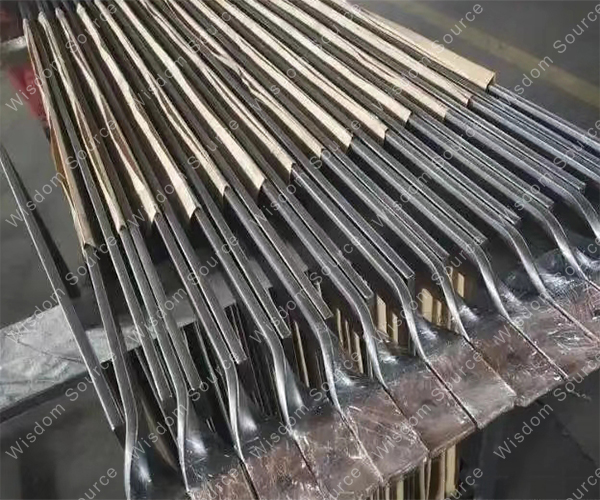
Among the core process components, titanium seed plates and titanium cathode rollers are the key consumables for the preparation of copper electrolytic cathode sheets, and they are also the key direction of process upgrading in the industry.
Cathode
substrates commonly used in the industry are mainly divided into two
categories: titanium plates are welded and formed by pure titanium plates with
titanium-copper composite lugs, which have stable conductivity, flat plate
surface and strong corrosion resistance; stainless steel cathode plates are
made of 321 stainless steel plates with composite lugs, which can only meet
basic production needs, and the overall performance is far inferior to that of
titanium substrates.
2. Long Service Life, Greatly Reducing The Frequency Of Equipment Replacement
The working conditions of the copper electrolysis workshop are complex, the electrolyte is continuously soaked, and the machinery collides frequently, which requires extremely high toughness and surface stability of the sheet.
The actual production data show that after 9 years, more than 3,000 working days of electrolyte soaking, and more than 20,000 mechanical collisions, the titanium plate surface is still smooth and smooth, without deformation and damage. Compared with the service life of copper seed plates of 3 to 5 years, the service life of titanium seed plates can reach 10 to 20 years, and the life span is more than 3 times.
Although
the initial investment in titanium is relatively high, and the unit price is 3
to 4 times that of copper, the long maintenance-free cycle greatly reduces the
cost of replacement, downtime, and maintenance. Long-term accounting, the
nine-year comprehensive input cost is only 21.68% of the copper plate, and the
long-term economic advantages are very significant.
3. Upgrading Process Performance, Significantly Improving The Quality And Yield Of Copper Products
The surface of the titanium material comes with a stable and dense oxidized film, which has a natural isolation effect. There is no need to manually apply the isolation agent and no need to pretreatment in advance.
This
feature brings multiple process advantages:
1) The stripping of the starting film is smooth, without adhesion or burn defects, and the finished sheet forming rate has been increased from the traditional 75%-80% to more than 98%.
2) The crystalline structure of electrolytic copper is denser and more uniform, the plate surface is flat and smooth, and the ductility is excellent, which greatly improves the grade of cathode copper products.
3)
Completely eliminate the electrolyte pollution caused by the doping of the
isolator, ensure the purity of the electrolyte, and stabilize the electrolysis
conditions.
At the
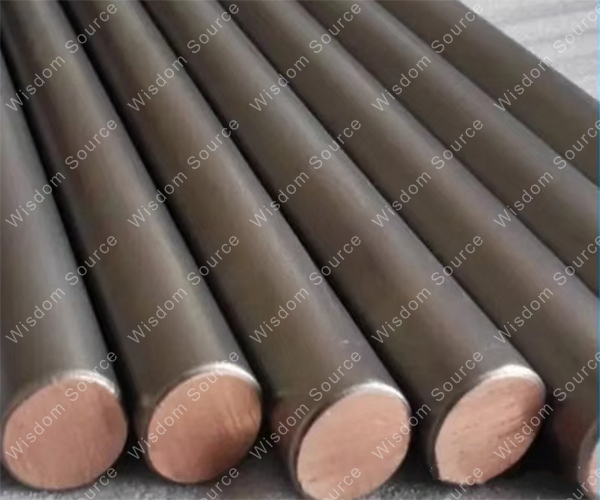
same time, the weight of the titanium seed plate is only half that of the
copper seed plate, which greatly reduces the intensity of manual operation, and
the production efficiency of cathode stripping is increased by 25%-30%, which
is suitable for the efficient production rhythm of modern workshops.
4. Optimize The Production Capacity Structure, Improve Equipment Utilization And Automation Level
The use of titanium seed plates can stably and efficiently produce qualified starter tablets, the yield is not affected by temperature, drug concentration, and manual operation, and the production stability is greatly improved.
Under the premise of meeting the same initial pole sheet production capacity, enterprises can reduce the number of plate slots turned on, switch the surplus equipment production capacity for electric copper production, effectively improve the utilization rate of the entire production line equipment, increase the total cathode copper production, and reduce the production cost per unit product.
In
addition, titanium sheet has stable shape, high consistency, and is not easy to
deform. It is fully adapted to mechanized stripping and automated production
lines. It is the preferred material for intelligent and standardized upgrading
of copper electrolysis workshops.
5. Comprehensive Application Summary
In the process of transformation and upgrading of the copper electrolytic smelting industry, titanium is no longer a simple “anticorrosive alternative material”, but a key supporting material for quality improvement, efficiency enhancement, cost reduction, stable production, and automation upgrading. The multiple advantages of long life, high yield, low operation and maintenance costs, no pollution, and adaptation to automated production have gradually replaced traditional copper and stainless steel substrates with titanium substrates, becoming the mainstream choice for process transformation of large and medium-sized copper smelting enterprises.