

Titanium Alloy Additive Manufacturing Accelerates On-Board, Xiaomi Car Completes The Layout Of Core Materials
Titanium Alloy Additive Manufacturing Accelerates On-Board, Xiaomi Car Completes The Layout Of Core Materials
Recently, the core patent for additive
manufacturing of titanium alloy for vehicles jointly applied by Xiaomi
Automobile Technology Co., Ltd. and Anhui ZhongTi New Material Technology Co.,
Ltd. was officially disclosed. The patent constructs a full-dimensional
technical layout from powder materials, molded workpieces, preparation
processes to vehicle applications, marking the completion of Xiaomi
Automobile's key fill-in in the field of high-end metal new materials and 3D
printing manufacturing, and provides the underlying technical support for its
high-end model research and development and intelligent manufacturing system
upgrade.
1. Material Innovation Is The Core Breakthrough Of This Patent
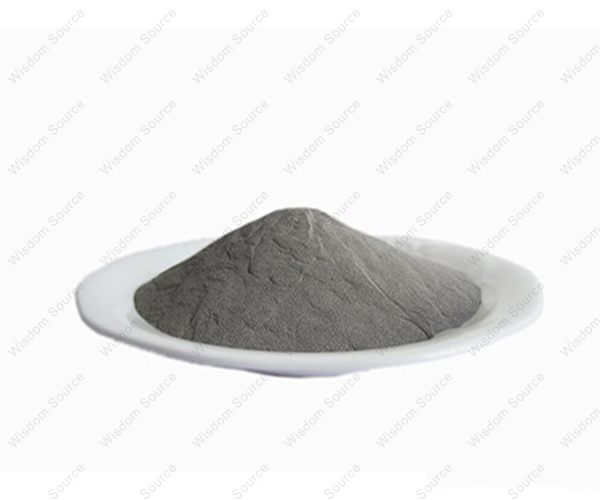
According to the public announcement, the
new titanium alloy powder uses titanium metal as the matrix, accurately matches
key elements such as aluminum and vanadium, and innovatively adds trace amounts
of nitrogen to optimize the material structure. After being formed by the
additive manufacturing process, the finished product has achieved all-round
improvement in core mechanical indicators such as strength, toughness,
corrosion resistance and fatigue resistance. More importantly, the customized
powder formula is optimized for the 3D printing process, which effectively
reduces the defect rate in the printing process, guarantees product performance
while taking into account the mass production economy, and breaks the
long-standing cost barriers of high-end titanium alloy materials in the
automotive field.
2. Additive Manufacturing Processes Are Reshaping The Way Auto Parts Are Produced
Traditional auto parts manufacturing mostly
uses forging and casting processes, and there are inherent pain points such as
cumbersome processes, high material waste rates, and high difficulty in forming
special-shaped parts. Titanium alloy additive manufacturing technology is
directly formed through powder layer-by-layer printing, and lightweight and
integrated complex structural parts can be efficiently produced without complex
molds, greatly simplifying the production process and shortening the cycle from
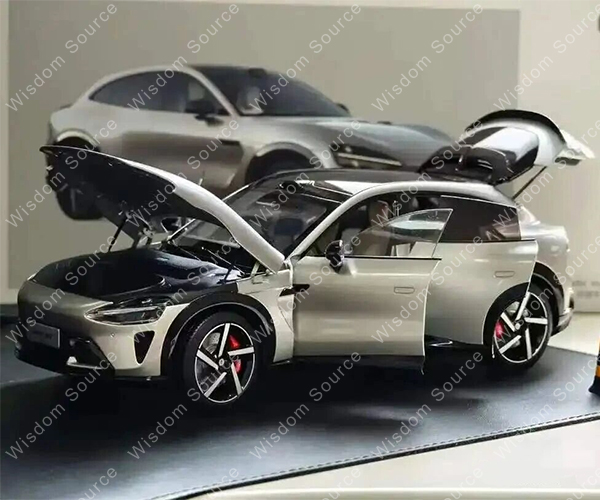
R&D to mass production. At the application level of the whole vehicle, the
high-performance titanium alloy molded parts rely on the comprehensive
advantages of high strength, lightweight and high temperature resistance, and
can widely cover the core parts of the key structural parts of the body,
chassis brake parts, suspension systems, and high-end interior precision
components. Compared with traditional steel and aluminum materials, the
significant weight loss effect of titanium alloy parts can effectively reduce
the weight of the vehicle, thereby improving the range, handling stability and
braking performance, which is deeply in line with the core development
direction of new energy vehicle lightweight.
3. This Patent Layout Reflects Xiaomi's Strategic Intention To Deepen The Upstream Industrial Chain
At present, the competition in the new
energy vehicle industry has gradually extended from vehicle assembly and
intelligent configuration to basic fields such as upstream materials and core
processes. Previously, most high-end titanium alloy car-making technologies and
materials were monopolized by overseas companies, and self-developed
technologies related to domestic car companies were relatively scarce. Xiaomi's
patent application not only realizes autonomy and controllability at the level
of new materials and manufacturing processes, but also improves its upstream
core supply chain system, and builds material technology barriers for the
differentiated competition of subsequent high-end models.
4. Insiders Pointed Out That New Materials Are The Core Breakthrough In The Performance Upgrade Of New Energy Vehicles
Xiaomi's entry into the field of titanium alloy additive manufacturing is not only a powerful reinforcement of its own high-end model technology matrix, but also provides a new idea for the intelligent manufacturing of domestic new energy vehicles and the upgrading of lightweight technology. In the future, as the technology achieves mass production and landing, it is expected to be widely used in the iterative upgrading of Xiaomi's high-end models to further enhance the core competitiveness of products and help brands gain a foothold in the high-end new energy vehicle market, while promoting the autonomous development process of domestic car-making new material technology.